Where curiosity
is the
curriculum.
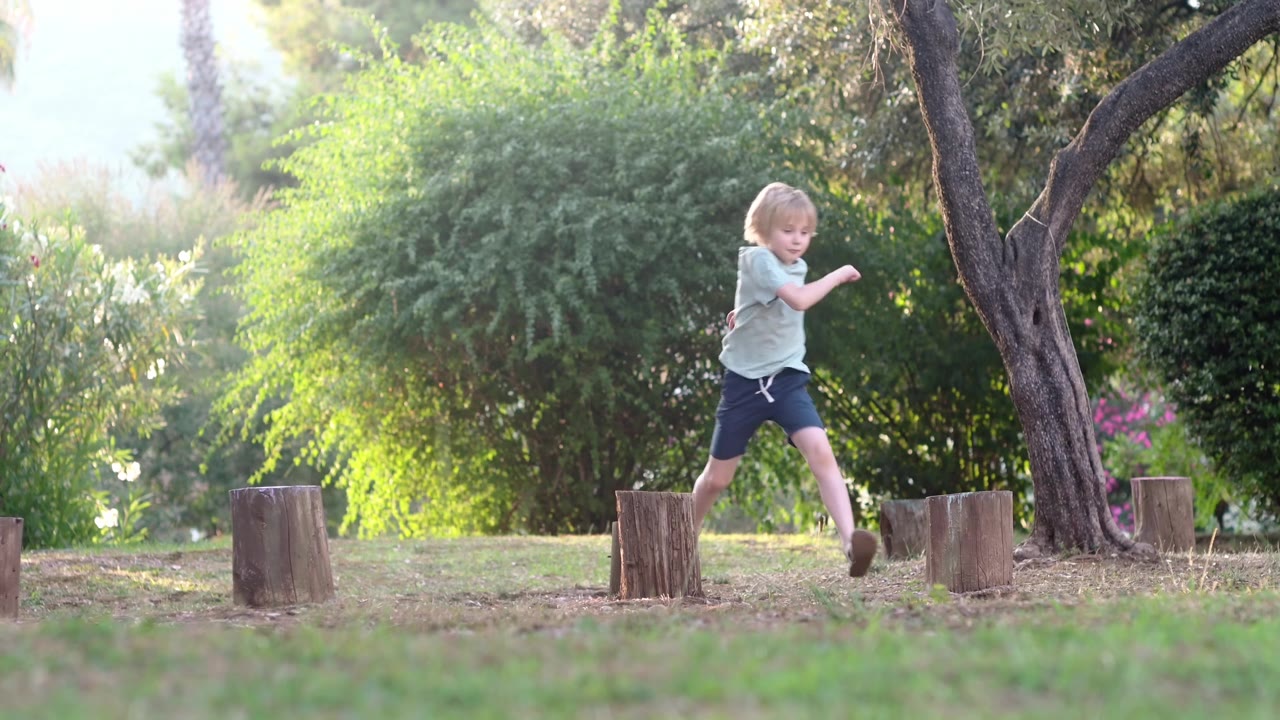
Discovery is where the Cardo Way begins, in a PreK through 5th grade academy built on the conviction that young children learn best through what genuinely interests them, and that movement, woven into every part of the day, is what makes learning truly take root. Every day at Discovery is designed to build a love of learning that lasts a lifetime.
What we believe about young children
Here's what we believe about young children. The design of Discovery follows from these convictions.
A child's curiosity is the foundation we build on. It's the most powerful learning engine they have, and the starting point for everything we teach.
Movement deepens learning. It sharpens focus and makes ideas stick. A child who moves well thinks well, so we build the whole day around that.
The greatest gift a school can give a young child is a love of learning and a joyful relationship with their own body. These two things carry a child through everything that comes next.
How Discovery works
Four principles, woven into every hour of every day, from the first week of PreK through the last week of 5th grade.
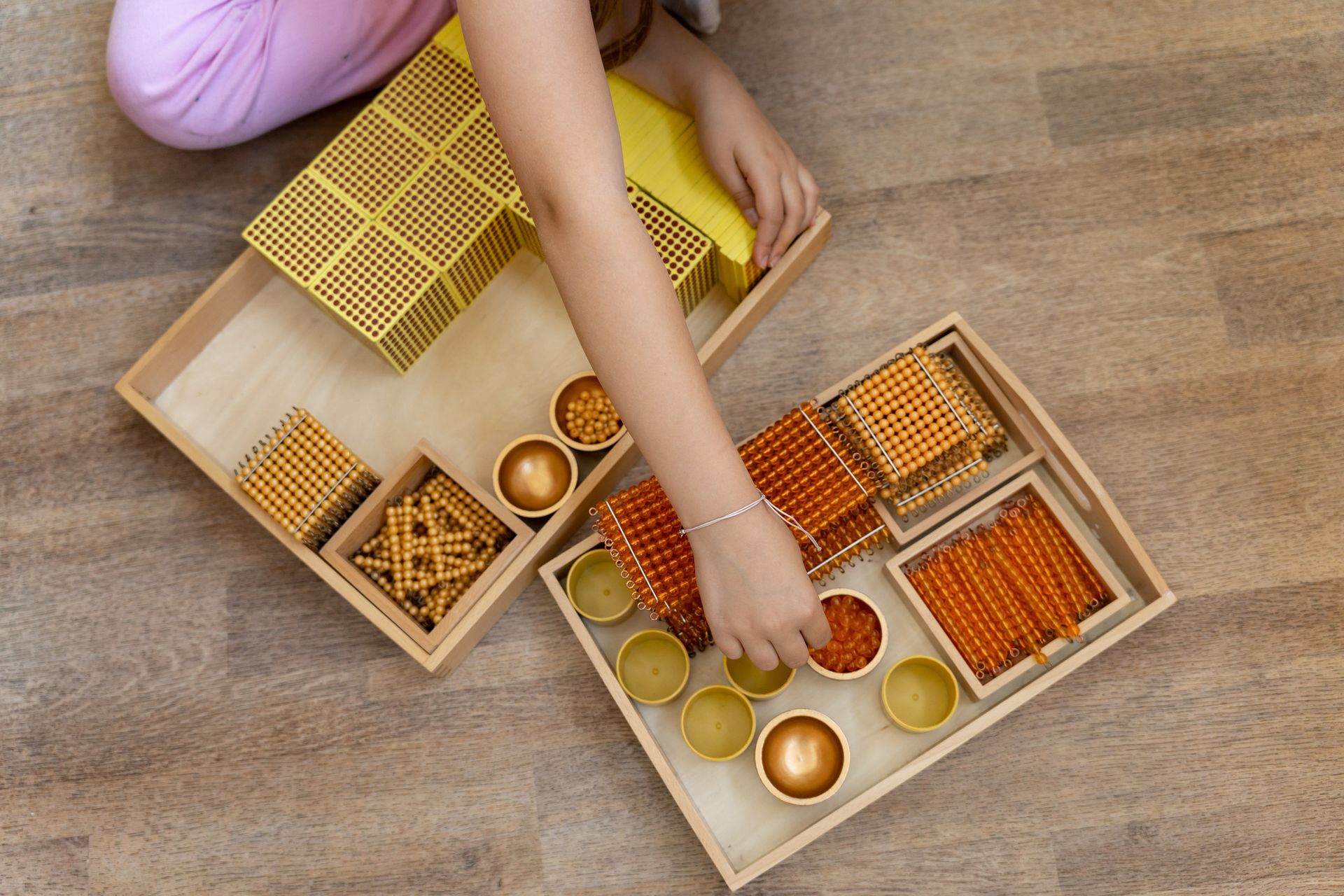
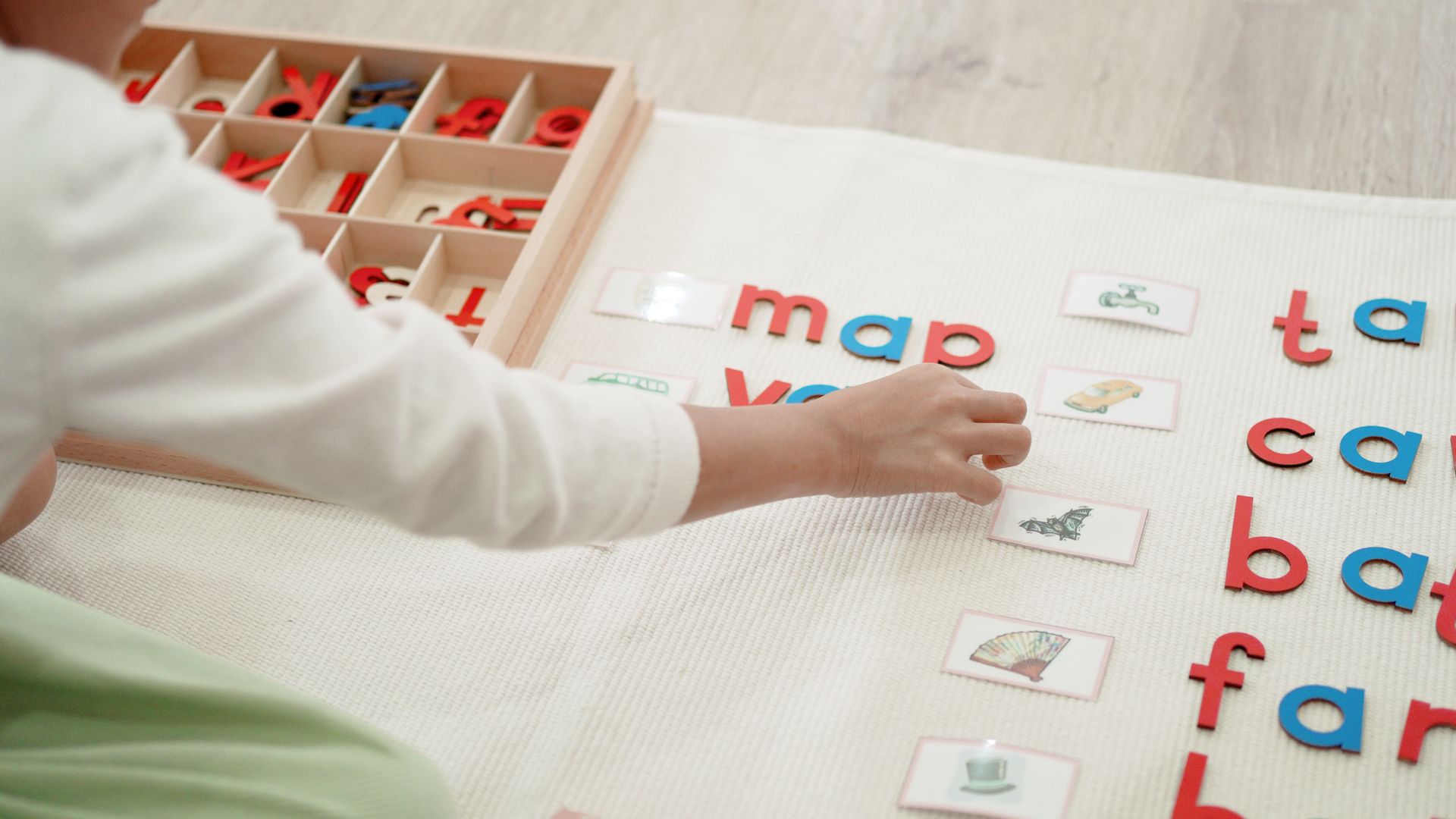
Students progress at their own pace through deeply engaging, hands-on experiences. Long morning work blocks, which grow with each cohort, give children time to reach deep concentration and genuine mastery. Teachers act as guides and observers, giving individualized lessons and stepping back to let children lead. Advanced materials are always available, so an exceptional 2nd grader can work on 5th grade content while still mentoring younger peers in their cohort.
Discovery classes are organized into multi-age groupings, PreK, K–1, 2–3, 4–5. Older students reinforce their own knowledge by mentoring younger peers, and younger students are inspired to reach higher. Teachers loop with their cohort across two-year spans, building deep knowledge of each child and creating a close-knit, family-like learning environment. By the time a student leaves Discovery, they've been truly known by the adults in their school.
In the Cardo Way, movement is a pedagogical tool. Short brain-break activities are woven between academic blocks to sharpen focus and consolidate memory. A dedicated movement block each day builds fundamental physical skills, mostly through games with balls of every size. Twice a week, the games bring in fun soccer elements. The body and mind train together, always.
Our lessons and materials reflect a wide range of backgrounds and experiences. Projects weave together geography, history, science, art, and language, helping students learn about the world and how to belong in it. From the earliest grades, Discovery students develop the empathy and global perspective of a true citizen of the world.
Imagine your child's day
Here's what a Discovery day looks like for a 4th grader.
Cardo Discovery Academy · 4th Grade · 4–5 Cohort
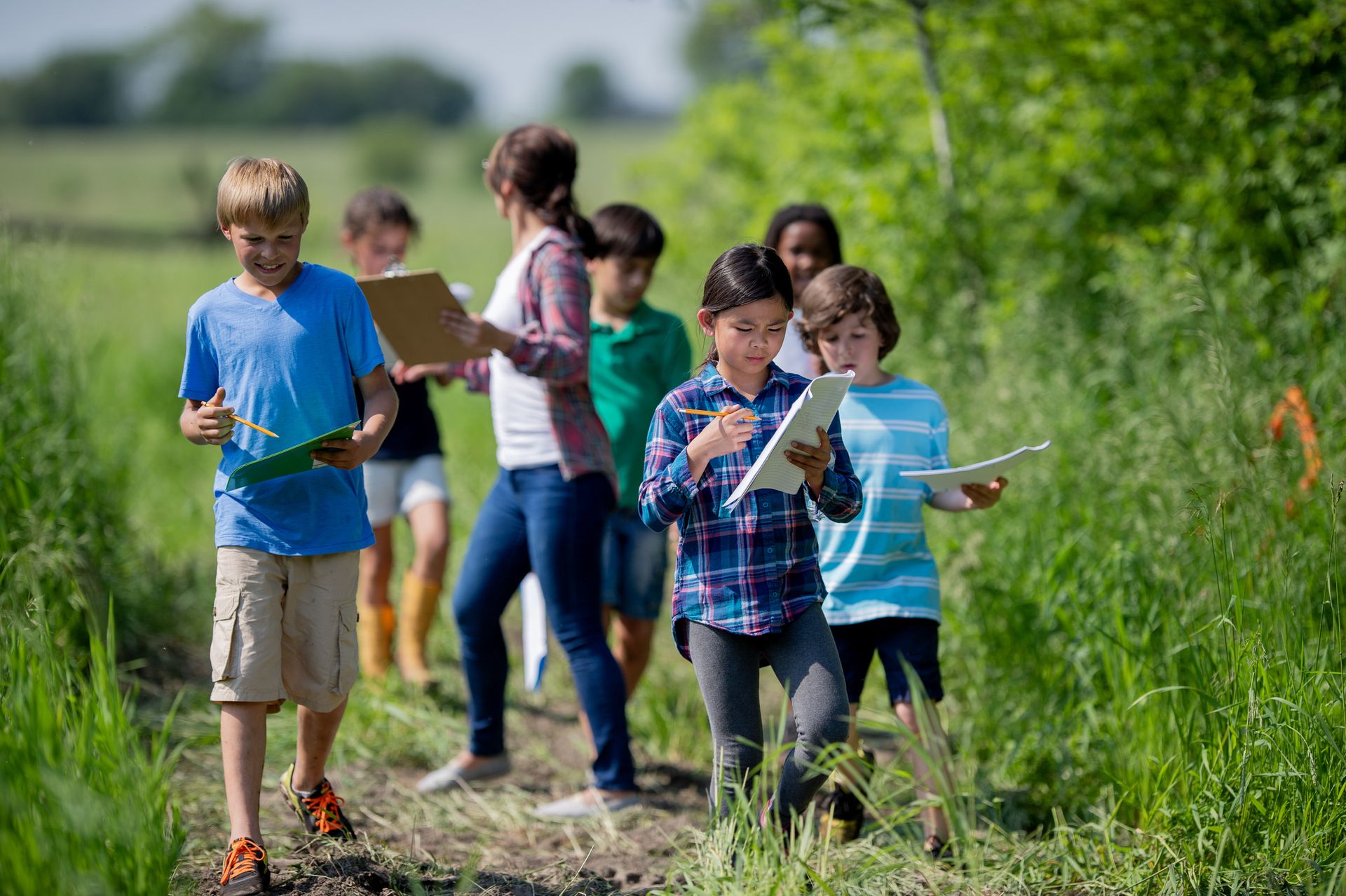
She walks in a little before 8:00 and goes straight to the shelf where her project lives. Yesterday she asked why soccer goals are rectangles and not squares. Her teacher folded the question into her part of the class project. Today she's measuring angles with a protractor and sketching goals of different shapes to see which one a keeper could cover best.
Around her, the room is busy and quiet at once. One group is deep in a novel. Two boys work through multi-digit multiplication and check each other's steps. A 5th grader stops to help a 4th grader compare fractions with different denominators. He's patient, because he finally understands them himself.
Midmorning the class stands for a quick shake-out and a balance challenge, then settles right back in.
After lunch the project moves outside. Her group measures the real goals on the field and checks them against their sketches. They were close.
In physical education, the coaches run games with the ball at their feet, then 3v3 with rotating teams and no score. She's been working on her left foot, and today she strings together three clean passes with it. Her coach notices and tells her so.
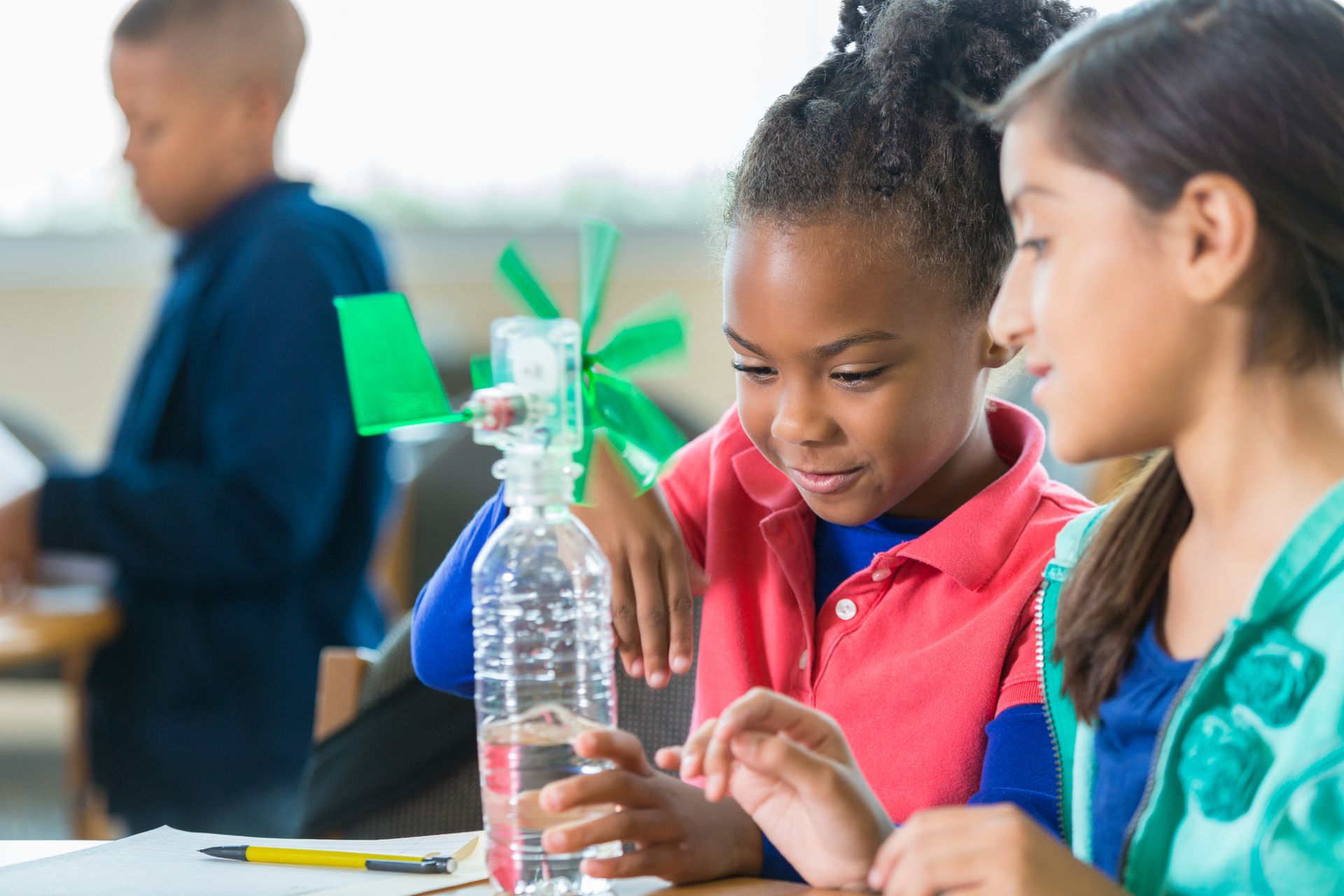
The day ends with science. Her class is testing which ball bounces highest on grass and on the gym floor, and she records every number. At pickup she's still talking about angles. Everything was finished at school, so the evening is free.
Four cohorts. One continuum.
Discovery is organized into multi-age cohorts that match how children actually develop. A traditional school calendar would divide them differently.

Built for movement.
Designed for every child.
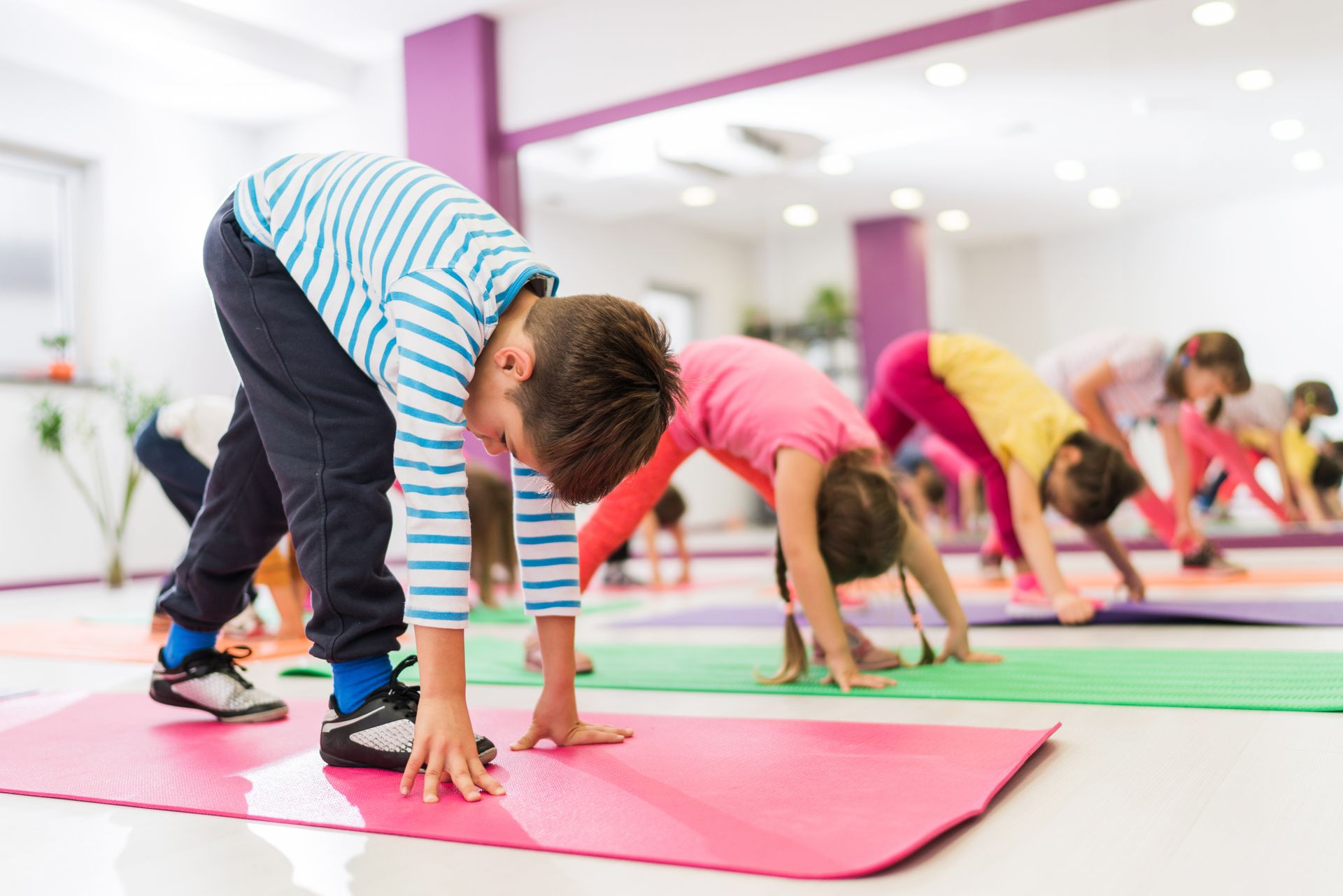
The Cardo Discovery movement curriculum starts from how young children actually move and learn. It is unlike any elementary PE class your child has experienced.
Our movement curriculum draws on research in child development and motor learning. It builds coordination and physical confidence in every child, whatever their sport or background.
Built for young learners.
Designed for real families.
Here's a sample day for our 4th and 5th graders. Younger children follow the same rhythm with shorter blocks and an earlier pickup. Doors open at 7:15 for every grade.
- 7:15Early arrival (optional)
Free play outside or in the gym.
- 8:00–11:15Morning learning
Literacy, math, science and social studies, organized around the class project. Children choose their work, practice math every day, and join short skill workshops when the project calls for them. The morning includes a class circle and a short active break. On Friday, part of the morning is a longer world language session.
- 11:30Lunch and rest
- 12:15Afternoon enrichment
Rotates through the week: advisory and goal-setting, project work, life skills, art, music, gardening and cooking, and peer mentoring.
- 1:15–2:45Health and physical education
Ball games of every kind, with fun soccer elements twice a week, plus functional movement and obstacle courses. Coaches teach sound technique through play, and every session ends with stretching and breathing. What children notice and measure here often shows up in their projects.
- 3:00–4:45Afternoon studies
Projects come together here. On Monday and Wednesday, the block opens with a 30-minute world language check-in. Writing, science, math and social studies rotate through the week, with free exploration and reading on Friday. When a teacher sees a child struggling with a skill, they build more practice with it into that child's part of the project. The day closes with a project journal entry and a short team share.
- 5:00Pickup
Optional extended care until 6:00.
How the day changes with age
World language at every age: two 30-minute check-ins a week and a longer Friday morning session, the same rhythm our Preparatory students follow. PreK learns through songs, stories and games.
- PreK (ages 3–4): hands-on learning in their own classroom, with materials for language, math, science and social studies. 45 minutes of physical education. Pickup at 2:15.
- K–1: four projects a year, like The Living World, a study of everything alive in our schoolyard. 60 minutes of physical education. Pickup at 3:00.
- Grades 2–3: projects like Force, Motion & the Athletic Body, where science meets their own movement. 75 minutes of physical education. Pickup at 4:00.
- Grades 4–5: projects like The Science of Athletic Performance, ending with a Grade 5 research capstone. 90 minutes of physical education. Pickup at 5:00.
Extended care runs until 6:00 for every grade. There are no letter grades in Discovery. Families get narrative reports twice a year and a student-led conference each semester.
Give your child the start they deserve.
Discovery's founding class will be small by design. Founding families receive priority enrollment, early access to information sessions, and tuition assistance consideration.
Join the Founding List